 Elevate Edits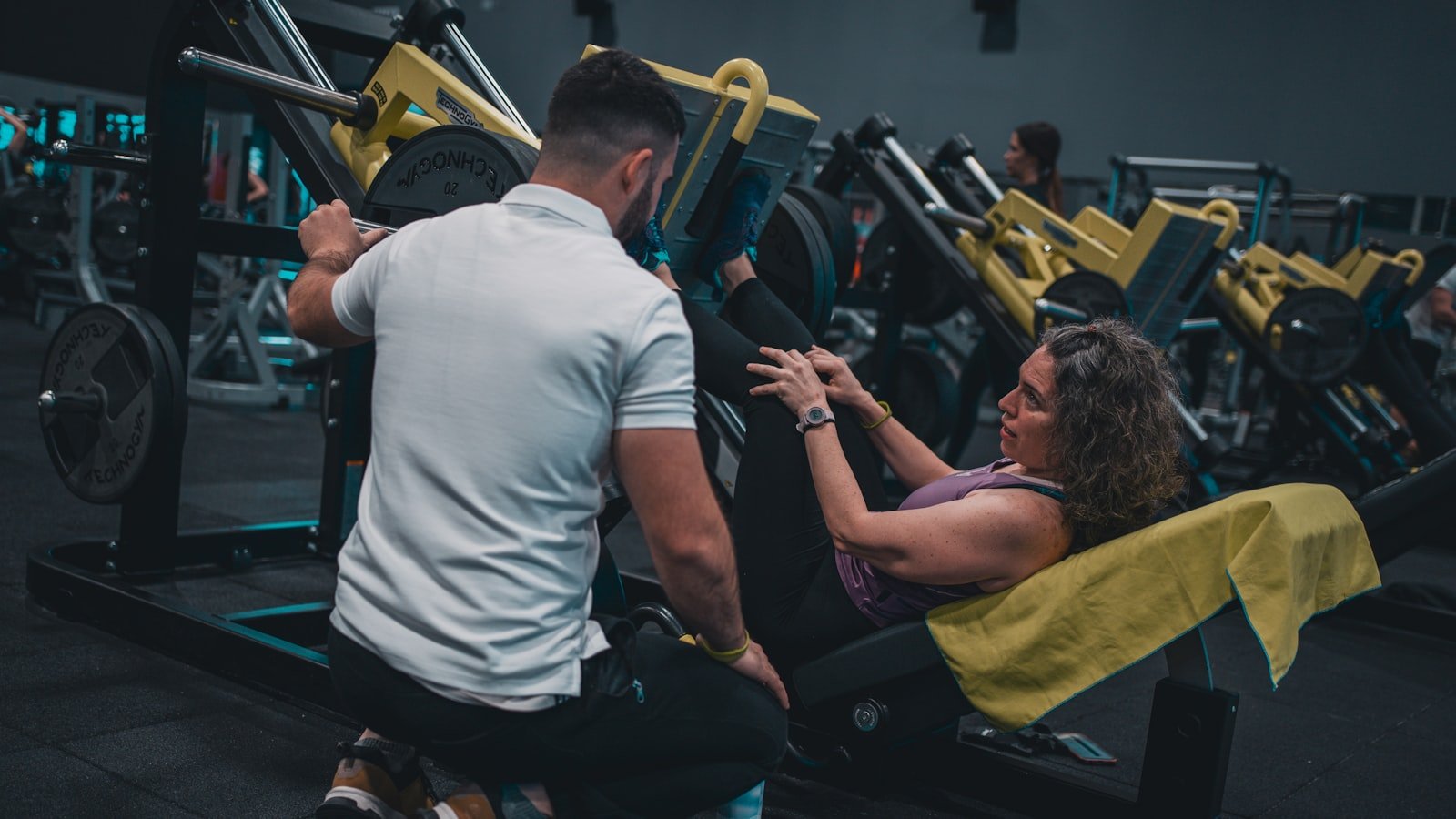
Client Overview
- Industry: Fitness creator
- Content Type: YouTube, Shorts, Reels, workout demonstrations
- Main Problem: Filming outpaced editing, and demonstrations were hard to follow
- Services Used: Short form editing, long form editing, content repurposing
- Engagement: Monthly editing retainer
The Situation
The creator filmed efficiently, often capturing a full session's worth of workout demonstrations, form breakdowns, and talking head explanations in a single gym visit. That footage piled up faster than it could be turned into finished videos, since editing was happening personally in whatever time was left after training clients and running personal workouts.
Meanwhile, the videos that did get published sometimes struggled with a specific, practical problem, viewers commenting that they could not clearly see or follow the exact form being demonstrated.
What Was Going Wrong
Reviewing both the raw footage and the comments on published videos side by side pointed to two separate but related issues.
- Camera angles during demonstrations did not always show the specific part of the movement, foot position, grip, range of motion, that mattered most for that exercise
- Cuts were sometimes made in the middle of a repetition, which is exactly where a viewer trying to learn the movement needed continuity, not a cut
- Talking head explanation and the actual demonstration footage were disconnected, described in one segment, shown separately in another, rather than shown together
- Only a small fraction of each filming session ever made it into a published video, with strong secondary moments left unused
- Short form clips, when made, were often just a trimmed piece of a longer explanation rather than built specifically to demonstrate one movement clearly on its own
The Goal
The priority was making demonstrations genuinely useful for someone trying to learn correct form, not just visually engaging. Alongside that, the goal was to extract meaningfully more content from every single gym session, since the raw material was already there and simply was not being fully used.
What We Identified
The comments calling out unclear form pointed to something specific once matched against the actual footage: whenever the creator explained a detail like grip width or knee position, the camera was frequently still on a wide shot of the full movement rather than the specific detail being described. The information was accurate, the video just was not showing it at the moment it mattered.
The Editing Strategy
Editing paired verbal explanation with matching visual focus at the exact moment each detail was mentioned. When the creator described foot placement, the edit cut to or zoomed toward foot placement. When a common mistake was mentioned, a brief supporting shot or simple graphic illustrated exactly what that mistake looked like rather than leaving it to the viewer's imagination.
Cuts during a repetition were eliminated wherever the original footage allowed, since a viewer learning a movement needs to see it performed as one continuous motion, not several stitched fragments. Where a cut was genuinely necessary, it was placed between repetitions rather than inside one.
Every gym session was also reviewed for standalone content opportunities beyond the primary planned video, a specific mistake correction, a single exercise breakdown, a quick form tip, each of which could become its own short form piece rather than staying buried as a secondary moment inside one longer video.
How We Changed the Content
Demonstration footage changed the most directly. Camera framing and cutting decisions were made specifically around what was being said at each moment, so a viewer never had to take a verbal description on faith while looking at an unrelated wide shot.
Short form output increased substantially from the same amount of filming, since a single session that used to produce one long form video now regularly produced that video plus three to five standalone shorts, individual exercise breakdowns, quick mistake corrections, single tips, each edited specifically to work as its own complete piece rather than a trimmed fragment of the longer video.
Captions on short form content emphasized the specific cue being demonstrated, keep your back flat, drive through your heel, timed to appear exactly when that part of the movement was visible on screen.
The Production Workflow
A full gym session was filmed as one continuous shoot covering the planned long form video plus whatever additional demonstrations or explanations came up naturally. Footage was reviewed for the primary long form edit first, then reviewed again specifically for standalone short form opportunities. The long form video, camera work matched to verbal explanation, was cut alongside a batch of shorts built independently around single movements or tips, and everything was delivered together from one filming session.
How the Content Performed
Comments specifically about unclear form dropped noticeably once camera framing was tied directly to what was being explained, and comments shifted toward viewers reporting they had successfully fixed a specific issue in their own training, which is a strong practical signal for fitness content specifically.
On reach, short form clips built around a single clear movement or common mistake performed well within the fitness niche's typical range, with most landing between 60,000 and 200,000 views, and a handful of videos addressing genuinely common form mistakes, the kind almost everyone in a gym has made, crossed 500,000, with one passing a million. Fitness content in particular tends to reward genuinely useful, specific correction content like this, since it gets saved and shared as reference material rather than only watched once, though which specific mistake video breaks out that widely still depends on how common and relatable the mistake is, not editing alone.
What Changed for the Creator or Business
The creator's single biggest change was that one gym visit now reliably produced a full week or more of content instead of one video, without requiring any additional filming time. That closed the gap between how much material was being captured and how much was actually reaching the audience.
With form specific complaints dropping, the creator also spent noticeably less time responding to confused comments and clarifying questions after each upload, since the video itself was now doing that clarifying work at the moment it mattered.
Key Lessons
In instructional content specifically, camera framing is not a stylistic choice, it is functionally part of the instruction. A camera pointed at the wrong part of the movement at the wrong moment actively works against a verbal explanation, no matter how accurate that explanation is.
Cutting mid repetition breaks the continuity a viewer needs to actually learn a movement. When a cut is unavoidable, its placement matters as much as the fact that it exists.
A single filming session almost always contains more usable content than what gets planned for it in advance. Reviewing footage a second time specifically for standalone short form opportunities, separate from the primary long form edit, is what actually captures that extra value.
How Elevate Edits Approached the Project
Elevate Edits treated demonstration footage as instructional material first and entertainment second, which meant every framing and cutting decision was evaluated specifically against whether it supported what the creator was explaining at that exact moment, rather than judged purely on visual pacing or style.
Final Takeaway
The creator's expertise was never in question, and neither was their willingness to film. What was limiting the channel was a production process that was not fully using the footage being captured and was not always showing the right thing at the right moment during demonstrations. Once camera work was tied directly to explanation and every session was reviewed twice, once for the main video and once for standalone shorts, the same gym time started producing both clearer instruction and considerably more finished content.
Want a workflow like this for your own content?
We handle editing end to end so you can focus on filming and growing. See what's included on each plan.
See Pricing